The Denture Center
2026 End-Of-Year Benefits Reminder
Use Your Insurance & FSA Benefits Before They’re Gone For Good!
Hold on, don’t let your end-of-year benefits go to waste!
Fall is upon us again and as we progress towards the end of the year, we would like to remind you to take advantage of any dental insurance benefits or Flexible Spending benefits that you may have left before they expire!
Your dental health is our number one priority and while treatment is never dictated by insurance benefits, if you have treatment that you have not scheduled, or are experiencing any dental concerns at all — now is a great time to come in and take advantage of any dental benefits you may have available! In addition to the dental benefit that you may have, you can also use your Visa FSA and MC FSA account; we also accept the CareCredit healthcare credit card to help you manage any additional costs.
With CareCredit, you’ll enjoy these benefits:
- Special financing options
- Convenient monthly payments
- Credit decision received almost immediately (subject to credit approval)
We are happy to discuss with you your dental insurance benefits, any incomplete treatment and the financing options with CareCredit. Please call the office at The Denture Center Phone Number 212-256-9978 and our team will go over any details or questions with you.
Just call or text us at our office phone number, or click the button below, to schedule an appointment. Our schedule is filling up fast, don’t miss your opportunity to use your dental benefits this year!
We look forward to seeing you again soon!
Not Sure How To Make Use Of Your Expiring Benefits?
Keep your dentures in good repair and enhanced comfort now:
Treat yourself to a luxury denture solution for the new year:
Save while you maximize your benefits: take advantage of our special offers to make your benefits go the extra mile.
The Time To Act Is Now.
Don’t let your insurance & FSA benefits go to waste. Instead put them to good use.
The Advantages Of Same-Day Dentures
Making One-Day Dentures Possible In NYC
First Published: 18 September 2026
Last Updated: 18 September 2026
Can They Really Be That Great?
If you’ve been researching tooth replacement options, you’ve probably come across something called same-day dentures and wondered: are they actually any good, or is same-day just a marketing hook?
It’s a fair question, especially when you’re making a decision that affects how you eat, speak, and smile every day for the rest of your life!
The short answer is yes, same-day dentures can be an excellent option, but the quality of those dentures depends a great deal on how and where they are made. Not every dental office is set up to deliver a well-fitting, custom denture in a single visit.
And that’s where the details matter.
The Denture Center Advantage: Our On-Site Denture Lab
The biggest factor separating a good same-day denture experience from a rushed one is whether the practice has its own on-site denture lab. When a dentist has to send impressions out to a third-party lab, the fabrication process alone can take several weeks.
An on-site lab changes that scenario entirely.
Technicians and dentists can work side by side throughout the day, adjusting the fit, checking the bite, and refining the appearance in real time instead of waiting on a courier. That collaboration is really what makes a same-day, or While-U-Wait, denture possible without sacrificing quality.
Dentures While-U-Wait: What To Expect
Most same-day denture appointments follow a structured timeline that starts in the morning and wraps up by late afternoon. Patients typically come in for initial impressions and bite registrations first, then a wax try-in so the dentist can check fit, alignment, and appearance before the final denture is processed.
Once everyone is satisfied with the try-in, the lab finalizes the denture while the patient is free to step out for a few hours. The final step is placement and adjustment before heading home with a complete smile.
Because there’s a wax try-in step built into the process, patients aren’t simply hoping that the final product fits. They get to see and approve the design before it’s finalized, which goes a long way toward eliminating typical rushed, ill-fitting results.
Immediate Dentures Following Extractions
One of the most common concerns patients raise is whether they’ll have to go without teeth while they heal from extractions. For many patients, that’s not necessary. When a dentist is comfortable performing extractions in-house, and has an on-site lab to match, teeth can often be removed and an immediate denture placed during that same appointment.
And this isn’t just a convenience.
An immediate denture placed right after extraction can act as a protective covering over the healing gum tissue, helping to control bleeding and reduce swelling during the first days of recovery. Patients can leave the office with a functional, natural-looking smile rather than facing an uncomfortable gap while a traditional lab-made denture is fabricated.
Fewer Appointments For More Convenience
Beyond the obvious appeal of walking out with a finished denture, the same-day approach usually means fewer total office visits compared to conventional processes that can stretch across four to six weeks. That’s a huge benefit for anyone juggling a work schedule, care-giving responsibilities, or simply wanting to avoid multiple trips to the dentist.
There’s also a quality-of-life factor that’s easy to overlook. Missing teeth, even temporarily, can affect confidence in social situations, at work, and in everyday conversations. Minimizing that time without teeth, whether it’s the time between extraction and a new smile, or the number of weeks spent waiting for a lab to fabricate your dentures, is one of the clearest practical benefits of same-day treatment.
Same-Day Denture Repairs In NYC
A well-made denture should hold up to daily wear, but accidents happen. A practice with an in-house lab, however, isn’t just useful for the initial fabrication. It’s that same infrastructure that allows for same-day repairs if a denture cracks, breaks, or a tooth comes loose down the road. That’s worth asking about when you’re comparing providers, since not every office can turn around a repair without sending it out and leaving you without your denture for days.
Are Same-Day Dentures Right for You?
Same-day treatment tends to be a strong fit if you:
- Need multiple teeth extracted
- Have significant existing tooth loss
- Want to avoid an extended gap between losing your teeth and having a working replacement
- Have an upcoming event, trip, or work commitment with no time to spare
That said, every mouth is different, and the best way to know whether same-day treatment fits your situation is a consultation. A dentist can evaluate your oral health, discuss extraction needs if applicable, and walk you through what your personal timeline would look like during the treatment.
So, are same-day dentures any good?
Well, when they’re backed by an experienced team and an on-site lab capable of handling everything from extractions to final adjustments under one roof, the answer is a confident yes.
Modern Denture Technology for Your Smile
Today’s denture care is more advanced, precise, and personalized than ever before.
At The Denture Center, modern dental technology and patient-focused care, work together to help patients restore their smiles with confidence. Whether you are exploring dentures for the first time, replacing an older denture, or considering implant-supported dentures, our advanced technology and in-house lab can help support a more informed and comfortable experience from start to finish.
Need Fast & Convenient Dentures?
Contact us today for your same-day denture consultation!
Overjet AI: AI-Powered Dental Imaging for More Personalized Denture Care
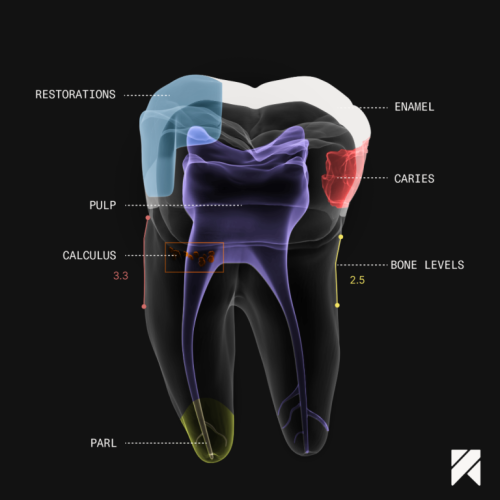
The Denture Center in Midtown Manhattan combines advanced dental technology, digital imaging, and AI-assisted diagnostics like Overjet AI to help patients better understand their oral health and treatment options. From dentures and implant-supported dentures to full smile restoration, modern imaging technology helps improve precision, communication, and patient confidence throughout the treatment process.
What Is Overjet AI?
Quick Answer
Overjet AI is an advanced dental imaging technology that helps dentists analyze dental X-rays with enhanced precision. Overjet AI works alongside digital imaging and modern restorative technology to help identify issues like bone loss, gum disease, and areas affecting dentures or dental implants. AI-assisted imaging can also make dental X-rays easier for patients to understand during consultations, helping support more informed and personalized denture treatment planning.
Dentistry has become far more advanced than traditional X-rays and visual exams alone.
Overjet AI is an advanced dental imaging technology that works alongside your dentist to analyze dental X-rays and help identify potential oral health concerns. Rather than replacing clinical expertise, the software serves as an additional diagnostic tool that can help dentists evaluate bone levels, tooth structure, restorations, and signs of disease with enhanced visualization.
At The Denture Center, advanced technology is an important part of delivering comfortable, precise, and personalized care for patients throughout New York City. Modern imaging and AI-supported diagnostics help improve communication while supporting more informed treatment planning for dentures, implant-supported dentures, and restorative dentistry.
Why Advanced Imaging Matters for Dentures & Dental Implants
Many patients who need dentures or tooth replacement have experienced years of dental problems, bone loss, missing teeth, or failing restorations.
These issues are not always fully visible to patients when looking at a traditional dental X-ray. AI-assisted imaging technology can help make these concerns easier to understand by visually highlighting areas that may require attention.
Overjet AI-supported imaging may help dentists evaluate:
- Bone loss associated with missing teeth
- Gum disease progression
- Existing dental work
- Areas of decay or infection
- Long-term oral health changes
- Implant planning considerations
This can be especially beneficial for patients considering:
- flexi dentures
- Partial dentures
- Implant-supported dentures
- Permanent dentures
- Dental implants
- Full mouth restoration
At The Denture Center, technology is used to support clearer communication and more personalized treatment planning so patients can feel informed and confident throughout their care.
Helping Patients Better Understand Their Oral Health
Dental terminology and X-rays can sometimes feel overwhelming.
One of the major advantages of AI-assisted dental imaging is that it can help patients visually understand what their dentist sees during an exam.
Instead of simply explaining bone loss or damaged teeth verbally, AI-supported imaging can highlight these areas directly on digital X-rays. This helps patients better understand:
- Why teeth may need to be removed
- Why dentures may no longer fit comfortably
- How bone loss affects oral health
- Why dental implants may be recommended
- How implant-supported dentures improve stability
At The Denture Center, patient education has always been an important part of the treatment experience. The team believes patients should fully understand their options before making decisions about their smile and oral health.
Modern Technology at The Denture Center
For decades, The Denture Center has provided advanced restorative and denture care for patients throughout Manhattan, Brooklyn, Queens, the Bronx, Staten Island, and the greater New York metropolitan area.
The practice utilizes advanced technology and modern treatment techniques including:
- Digital X-rays
- Advanced diagnostic imaging
- Dental implant planning technology
- Precision denture fabrication
- Same-day quality denture services
- Extractions and immediate dentures
- Implant-supported denture procedures
- While-U-Wait denture repairs and relines
These technologies help improve both efficiency and precision while allowing patients to receive highly customized care designed around their individual needs.
AI Technology Supports — Does Not Replace Your Dentist
Artificial intelligence is becoming more common in healthcare, but it’s important to understand that AI does not replace your expert care from your dentist.
Overjet AI is designed to assist dental professionals by helping analyze dental imaging and improve patient communication. Your dentist still performs the examination, creates the diagnosis, and develops the treatment plan based on years of clinical training and experience.
Think of AI as another tool that helps improve clarity, consistency and continuity of care, and patient understanding during your visit.
Why Technology Matters for Implant-Supported Dentures
Technology plays a particularly important role for patients considering implant-supported dentures or permanent tooth replacement.
Successful implant treatment depends on:
- Careful bone evaluation
- Accurate imaging
- Detailed treatment planning
- Precise implant positioning
- Long-term monitoring
AI-supported imaging combined with advanced dental technology can help support more predictable outcomes and help patients better understand the long-term benefits of implant-supported tooth replacement.
For many patients, implant-supported dentures provide:
- Improved stability
- Better chewing ability
- Increased confidence
- Reduced slipping or movement
- More natural function compared to traditional dentures
Frequently Asked Questions About Overjet AI & Denture Technology
Is Overjet AI safe?
Yes. Overjet AI is FDA-cleared technology designed to assist dentists in evaluating dental X-rays and identifying oral health concerns.
Does AI replace dentists?
No. AI technology supports dentists during the diagnostic process, but all treatment recommendations and diagnoses are still made by your dentist.
Can AI help with dental implant planning?
AI-assisted imaging can help dentists evaluate bone levels and visualize oral health conditions that may impact implant treatment planning.
Why is technology important for dentures?
Modern imaging and digital technology help improve the fit, comfort, planning, and long-term success of dentures and implant-supported dentures.
Modern Denture Care in NYC
Today’s denture care is more advanced, precise, and personalized than ever before.
At The Denture Center, modern dental technology and patient-focused care work together to help patients restore their smiles with confidence. Whether you are exploring dentures for the first time, replacing an older denture, or considering implant-supported dentures, advanced imaging and AI-assisted diagnostics help support a more informed and comfortable experience from start to finish.

$199 New Patient Special (A $591 Value)
We want to help you take the best care of your dental health.New Patient Package
$189 which brings you high-quality preventative dental care at an affordable fee in NYC. (A $591 Value) This offer includes:- Full Mouth Series of Digital X-Rays
- Examination of your teeth and Gums
- Oral Cancer Screening
- Cleaning (dental prophylaxis)
- Personalized Treatment Plan
Dental Implant Recovery at The Denture Center in NYC: What to Expect

Dental implants are one of the most dependable ways to replace missing teeth, but it’s completely normal to have questions about what recovery will feel like. Understanding the healing process ahead of time can reduce anxiety and help you feel more confident as you move through treatment.
At The Denture Center in NYC, located near Herald Square in Midtown Manhattan, our implant team prioritizes careful planning, gentle surgical techniques, and supportive healing methods so patients can recover as comfortably as possible. Our goal is not just successful implants—but a smooth, predictable recovery experience.
What Recovery Is Usually Like
During your procedure, the treatment area is fully numbed, so most patients feel little to no discomfort while the implant is placed. Once the anesthesia wears off, some soreness or swelling is expected—this is simply your body beginning to heal.
For most patients, discomfort is mild and improves within a few days with rest and simple over-the-counter pain relief. Many of our patients travel from across Midtown Manhattan and greater NYC for implant care, and they often tell us that recovery feels easier than they anticipated.
Gum tissue typically heals within one to two weeks. However, the implant itself needs more time to bond with the jawbone in a process called osseointegration. This deeper healing phase usually takes several months and is what ultimately makes your implant feel strong, stable, and natural.
The First Few Days After Surgery
After your procedure, you’ll go home with clear, step-by-step instructions on how to care for your mouth. During the first 24 to 48 hours, it’s common to notice:
- Light bleeding
- Swelling in the gums, cheeks, or jaw
- Tenderness near the implant site
- Mild bruising around the mouth
These reactions are normal and usually fade quickly. Using cold compresses, resting, and avoiding strenuous activity can make a noticeable difference in how comfortable you feel.
Because our office is centrally located near Herald Square in Midtown Manhattan, many patients find it convenient to return for a quick check-in if they have questions during the early healing period.
How Much Pain Is Normal?
Most patients are pleasantly surprised by how manageable implant recovery feels. Rather than sharp pain, discomfort is typically described as a dull soreness or tenderness.
Over-the-counter medications such as ibuprofen are often sufficient, though some patients may receive a short prescription if needed. Many people are able to return to desk work or light activity within one to two days.
Patients who live or work in Midtown Manhattan often plan their procedure around a lighter workday and are back to their normal routine quickly. By day three to five, soreness usually improves significantly—or disappears altogether.
The Healing Process Over Time
Healing happens in stages:
- Days 1–3: Swelling and tenderness are most noticeable, then gradually decrease.
- Weeks 1–2: Gums close and strengthen; stitches dissolve or are removed. Most patients feel back to normal.
- Months 3–6: The implant fuses with the jawbone. Once this is complete, your final crown, bridge, or denture can be securely attached.
This gradual process is what makes dental implants such a durable, long-term solution.
Supporting a Smooth Recovery at Home
Your daily habits play a big role in how well you heal. To protect your implant and surrounding tissue, we recommend:
- Eating soft foods at first
- Avoiding smoking or vaping
- Brushing gently around the implant site
- Skipping straws for the first few days
- Attending all follow-up appointments
Our doctors focus on minimizing tissue trauma during surgery and supporting your body’s natural healing ability, which helps most patients experience less discomfort and faster recovery.
Extra Healing Support with PRF (When Appropriate)
Some implant patients at The Denture Center in NYC may benefit from platelet-rich fibrin (PRF). This advanced healing technique uses growth factors from your own blood to encourage faster tissue repair around the implant.
PRF may help reduce swelling, improve comfort, and support stronger bone integration—particularly in more complex cases.
Why Experience Matters for Recovery
Successful implant healing begins long before surgery. Dr. Arthur Yam and Dr. Alfred Shirzadnia use advanced imaging and meticulous treatment planning to minimize risks and promote predictable outcomes.
Serving patients from Herald Square, Midtown Manhattan, and surrounding NYC neighborhoods, they combine cutting-edge technology with compassionate, individualized care so patients feel informed, supported, and confident throughout recovery.
Common Questions About Implant Healing
How long until I feel normal again?
Most patients feel significantly better within a few days, with gum healing in about 1–2 weeks.
When can I return to work?
Many patients return within 1–2 days, depending on comfort level and job demands.
Is swelling normal?
Yes. Swelling is expected and typically improves within 48 hours.
What foods should I avoid?
Avoid hard, crunchy, sticky, or very hot foods until your doctor clears you.
When should I call the office?
Contact us if you experience severe pain, heavy swelling, fever, or signs of infection.
Key Takeaways: Dental Implant Recovery in NYC
- Mild soreness and swelling are normal after surgery
- Most patients feel much better within a couple of days
- Gum healing usually takes 1–2 weeks
- Full implant integration takes several months
- Following home-care instructions helps prevent complications
- PRF may support faster, more comfortable healing
Whether you live, work, or commute through Midtown Manhattan, Herald Square, or anywhere in NYC, understanding what to expect can make dental implant recovery feel far less overwhelming.
With experienced surgical planning, attentive follow-up care, and good habits at home, most patients heal smoothly and enjoy strong, natural-feeling replacement teeth for years to come.
Dental Implant Special
$500 OFF each implant when you BOOK NOW.
Flexible Financing (If Qualified)
Qualified patients may be eligible for:
- $0 down
- Low monthly payments
- 6 months interest free, or
- 24 months fixed (with approval)
Offer valid for new implant cases. Not combinable with insurance or other promotions, expires 7/17/2026.
Can I Replace All My Teeth With Dental Implants in 2026?

Overview
Yes—replacing all your teeth with dental implants is absolutely possible in 2026. Options like All-On-X full-arch implants, fixed implant dentures, and snap-on implant dentures allow patients to restore an entire smile. The best choice depends on your bone health, gum health, overall medical condition, budget, and lifestyle. Patients are fitted for and wear either an appliance or temporary teeth, while final restorations are placed after full healing.
Replacing all your teeth with dental implants is no longer unusual—it’s a proven way to restore comfort, confidence, and function. With today’s technology and techniques, full-mouth implant solutions can be customized to fit your anatomy, health history, and goals.
What Determines If You’re a Good Candidate?
Most people are absolutely candidates for dental implant solutions. Our team helps to evaluate and treat barriers to implant success as part of your dental care.
Oral Health
Your gums must be healthy and free of active infection. If gum disease or infection is present, it must be treated first so implants have a stable foundation.
Bone Strength
Dental implants need solid bone to stay secure. If teeth have been missing for a long time, bone loss may require grafting or regenerative treatment before implants can be placed.
Budget and Planning
Full-mouth implants are an investment. Costs depend on how many implants are used, which restoration you choose, and whether additional procedures are needed. Our renown dentists will review your dental treatment/ implant options that meet your personal needs with you.
Overall Health
Certain medical conditions and medications can affect healing. That doesn’t always rule out implants, but it may change how your treatment is planned.
Free Dental Implant Consultation
Reclaim the confidence to smile and enjoy the foods you love. Begin with a complimentary consultation and examination for dental implants. This limited time offer covers the following to provide you with an accurate and optimized treatment plan:
- Dental implant consultation with our implant dentist
-
Digital imaging
- Computerized tomography (CT) scan
- Radiography (X-rays/Panorex)
- Development of your personalized treatment plan and quote
Cannot be combined with any other offers. Regular value $574. Some restrictions may apply. Offer expires 7/17/2026
Timeline
Full-mouth implant treatment happens in stages. Same-day temporary teeth are often inserted, but full healing and final restorations usually take several months.
Options for Replacing All Your Teeth
All-On-X Full-Arch Implants
This approach uses four to eight implants to support a full arch of teeth. Many patients can receive temporary teeth the same day as surgery. It’s one of the fastest and most stable solutions for full-mouth restoration.
Fixed Implant Dentures
These are permanently attached to implants and cannot be removed at home. They look and feel very natural and allow strong chewing without slipping.
Upper Arch Implants
Implant-supported upper teeth stay firmly in place and don’t rely on suction. They allow better comfort and more natural temperature sensation than traditional dentures.
Lower Arch Implants
Lower removable dentures often move. Implant-supported lower teeth stay stable, improving speech, comfort, and chewing ability.
Bone Loss and Regenerative Support
When a tooth is lost, the jawbone in that area begins to shrink. Significant bone loss may require bone grafting or regenerative techniques like PRF or APRF. Many full-arch systems are designed to reduce or avoid the need for grafting when possible.
Snap-On Implant Dentures (also called overdentures, implant-supported dentures, or implant-retained dentures)
Snap-on implant dentures are removable teeth that securely “snap,” “lock,” or clip onto dental implants placed in the jaw. You may also hear them called snap-in dental implants, adjustable snap-on dentures, snap-on dental implants, snap-on false teeth, or lock-in dentures — these all describe the same type of restoration.
Because they attach to implants rather than sitting on the gums, snap-on dentures are far more stable than traditional dentures, don’t require adhesives, and help stimulate the jawbone to slow further bone loss.
Choosing the Right Solution
The best option depends on:
- Bone and gum health
- Lifestyle and comfort preferences
- Budget
- Desire for removable vs fixed teeth
A personalized consultation is the only way to determine the right approach.
Dental Implant Special
$500 OFF each implant when you BOOK NOW.
Flexible Financing (If Qualified)
Qualified patients may be eligible for:
- $0 down
- Low monthly payments
- 6 months interest free, or
- 24 months fixed (with approval)
Offer valid for new implant cases. Not combinable with insurance or other promotions, expires 7/17/2026.
Meet Your Implant Experts at The Denture Center
Implant care at The Denture Center is led by Dr. Arthur Yam and Dr. Alfred Shirzadnia, a highly experienced team in implant placement, full-arch reconstruction, and implant-supported dentures.
Dr. Arthur Yam – Implant Dentist & Full-Arch Specialist
Dr. Yam has advanced surgical training from NYU’s two-year Surgical Implant Program, the IMTEC Mini Dental Implant Residency, and the Pikos Institute’s Full-Arch Reconstruction course. As a Fellow of the International Congress of Oral Implantologists, he has extensive experience placing implants and restoring full arches, making him especially qualified to perform All-On-X treatment with precision and predictable results.
Dr. Alfred Shirzadnia – Implant, Cosmetic, and Regenerative Dentistry
Dr. Shirzadnia has advanced training in implant dentistry, full-mouth reconstruction, and cosmetic rehabilitation. He is an active member of organizations such as the American Academy of Implant Dentistry and the International Congress of Oral Implantologists. He is also highly skilled in regenerative techniques like Platelet-Rich Fibrin (PRF), which supports faster healing and stronger implant outcomes.
Together, Dr. Yam and Dr. Shirzadnia have helped many thousands of patients restore their smiles with implants, implant-supported dentures, and full-arch solutions.
Key Takeaways
- Replacing all your teeth with dental implants is very possible in 2026
- Multiple options exist, including All-On-X, aka, All on 4, All on 6, etc., fixed implant dentures, and snap-on dentures
- Bone and gum health are critical for implant success
- Same-day temporary teeth
- Full healing and final restorations usually take several months
- Dr. Arthur Yam and Dr. Alfred Shirzadnia lead implant care at The Denture Center
- Regenerative techniques like PRF can support better healing
- A personalized consultation is essential
Free Dental Implant Consultation
Reclaim the confidence to smile and enjoy the foods you love. Begin with a complimentary consultation and examination for dental implants. This limited time offer covers the following to provide you with an accurate and optimized treatment plan:
- Dental implant consultation with our implant dentist
-
Digital imaging
- Computerized tomography (CT) scan
- Radiography (X-rays/Panorex)
- Development of your personalized treatment plan and quote
Cannot be combined with any other offers. Regular value $574. Some restrictions may apply. Offer expires 7/17/2026
Ready to Get Started?
If you’re considering full-mouth dental implants in 2026, the first step is a comprehensive consultation. At The Denture Center, Dr. Arthur Yam and Dr. Alfred Shirzadnia will design a plan based on your health, goals, and lifestyle.
Schedule your free dental implant consultation today and take the first step toward a strong, confident smile.
Dental Implant Special
$500 OFF each implant when you BOOK NOW.
Flexible Financing (If Qualified)
Qualified patients may be eligible for:
- $0 down
- Low monthly payments
- 6 months interest free, or
- 24 months fixed (with approval)
Offer valid for new implant cases. Not combinable with insurance or other promotions, expires 7/17/2026.
Why Dental Implant Failure Happens and How a Skilled Implant Dentist Helps Prevent Complications

Overview
Dental implant failure is rare but it often results from bone loss, gum disease, infection, or improper placement. At The Denture Center, implant specialists Dr. Arthur Yam and Dr. Alfred Shirzadnia use advanced diagnostics and precise planning to prevent complications. Their expertise and experience in prosthodontics support long-term success by ensuring restorations fit comfortably and protect the implant. Early signs like pain, swelling, or looseness should be evaluated quickly to avoid larger issues. Consistent follow-up care and proper hygiene keep implants stable and functioning well.
Understanding Why Implants Can Fail Without the Right Foundation
Dental implant failure often begins with issues in the underlying bone that supports the implant, especially when bone loss goes untreated before placement. Without strong, healthy bones, an implant cannot integrate securely, and the entire restoration becomes vulnerable. Gum disease at the time of surgery can also interfere with healing by introducing bacteria and inflammation.
Improper implant positioning may lead to stress points that gradually weaken the surrounding tissue. Medical conditions like uncontrolled diabetes can slow healing and increase the risk of infection. When these factors are not identified early, complications become more likely during recovery.
Lifestyle choices can also lead to dental implant failure, particularly smoking, which reduces blood flow and slows the body’s natural ability to heal. Poorly designed or ill-fitting prosthetics or dentures may distribute bite pressure unevenly and place unnecessary strain on the implant. Failure of osseointegration, the essential bonding process between bone and implant, can happen if the implant moves before healing is complete.
Infection at the implant site also disrupts this process, causing pain, swelling, and instability. Transitional healing phases require special care and attention to avoid these outcomes. When patients understand these risks, they can take steps that improve their chances of long-lasting success.
Recognizing Early Warning Signs That Signal Implant Problems
Implant trouble often begins with persistent pain or swelling that continues longer than normal after surgery. Although mild discomfort is expected, ongoing irritation signals that healing may not be progressing properly. A loose implant or shifting implant-supported denture is a more obvious sign that stability has been compromised.
Gum recession exposing parts of the implant can indicate infection or weakening support. Bite changes or difficulty chewing may also reflect underlying alignment problems. Recognizing these symptoms early allows for timely evaluation and corrective action.
As problems worsen, patients may experience pressure sensitivity or discomfort during chewing, which often means the implant is absorbing force unevenly. When these sensations appear, structural issues may already be forming around the implant. Transitional phases such as moving from soft foods to regular chewing can reveal hidden complications.
Persistent tenderness during this stage is not normal and should be assessed quickly. Early intervention can stop small issues from developing into implant failure. Staying alert to these signs helps protect the restoration and preserve long-term function.
How The Denture Center’s Implant Team Prevents Common Complications
At The Denture Center in New York, dental implant planning and placement are led by renown dentists, Arthur Yam and Alfred Shirzadnia, who create precise, predictable treatment outcomes. Using advanced digital imaging, they evaluate bone structure, gum health, and anatomical features to determine the ideal implant type and placement angle.
Their expertise in precision, implant dentistry ensures that each implant is positioned with accuracy that minimizes stress and reduces the risk of complications.
Dr. Shirzadnia’s extensive involvement in implant-focused professional organizations reflects his dedication to staying current with modern techniques. Dr. Yam’s exhaustive training and experience with dental implants and implant-supported restorations strengthens the team’s ability to design optimal and long-lasting treatment plans. The Denture Center implant success rate is near perfect at 96-98%, proving that their meticulous approach and expertise lower the risks associated with dental implant failure.
The meticulous craftsmanship within the on-site denture laboratory, ensures that patients whose care require implant supported dentures or overdentures receive the best care from the entire team who collaborate and fine-tune each phase of treatment and achieve optimal stability.
Their shared commitment to detail gives patients a seamless experience where surgical precision and restorative excellence work hand in hand. With all aspects of implant care handled under one roof, patients receive the unified expertise needed for predictable, long-lasting results.
Protecting Implant Longevity Through Proper Maintenance and Follow-Up Care
Long-term implant success depends on consistent follow-up care, and The Denture Center emphasizes ongoing monitoring after placement. During these appointments, Dr. Yam and Dr. Shirzadnia evaluate how the implant is integrating with bone and tissue. Early signs of irritation or imbalance can be corrected before they develop into larger problems.
Patients also receive personalized guidance on how to protect their implant during critical healing stages. Transitional periods, such as reintroducing regular foods, are closely monitored to ensure comfort and stability. This structured approach helps prevent complications that may develop silently.
At-home maintenance is just as essential as professional care, and patients receive detailed instructions for cleaning around the implant. Good oral hygiene reduces bacterial buildup and protects the gum tissue supporting the restoration. For those with implant-supported or snap-on dentures, the doctors explain how to clean attachments and maintain secure function. Regular implant prophies with the hygienist are scheduled for ongoing maintenance.
Convenient access to adjustments, repairs, or relines are always available. When patients remain committed to proper care, implant longevity increases significantly, and outcomes remain stable over time.
KEY TAKEAWAYS
- Dental implant failure is usually preventable when bone health, gum condition, and placement accuracy are properly evaluated.
- Early warning signs such as pain, swelling, and loose restorations should never be ignored and require immediate attention.
- Dr. Arthur Yam and Dr. Alfred Shirzadnia each provide coordinated implant planning and placement using advanced diagnostic tools.
- Their extensive training and expertise in implant dentistry and restorative dentistry along with their onsite denture laboratory ensures that all restorations fit comfortably and balance bite forces, which is essential for protecting implants long term.
- Follow-up appointments, maintenance routines, and at-home cleaning greatly reduce the risk of complications.
- With surgical, restorative, and laboratory services all in one location, The Denture Center offers a streamlined approach that supports strong, lasting implant results.
Getting to Our Midtown Manhattan Office
Our Midtown Manhattan office is conveniently located just around the corner from Penn Station, a major transportation hub with direct access to the 1, 2, and 3 subway lines. The A, C, and E trains stop at 34th Street and 8th Avenue, offering underground access to Penn Station. We are also across the street from Macy’s at Herald Square, which provides access to multiple subway lines including the N, Q, R, W, B, D, F, and M trains at 34th Street and 6th Avenue. The M34 bus connects directly to Penn Station, along with other MTA buses such as the M7, M20, and Q32. Additionally, the 33rd Street PATH station, linking New Jersey commuters, is just steps away. For rail travel, Amtrak, New Jersey Transit, and the Long Island Railroad all provide easy transportation directly into Penn Station, making your visit simple and accessible.
Call The Denture Center at (866) 765-8259 to schedule your appointment and enjoy a perfect denture fit.
Gingivitis: The Early Stage of Gum Disease You Need to Know About
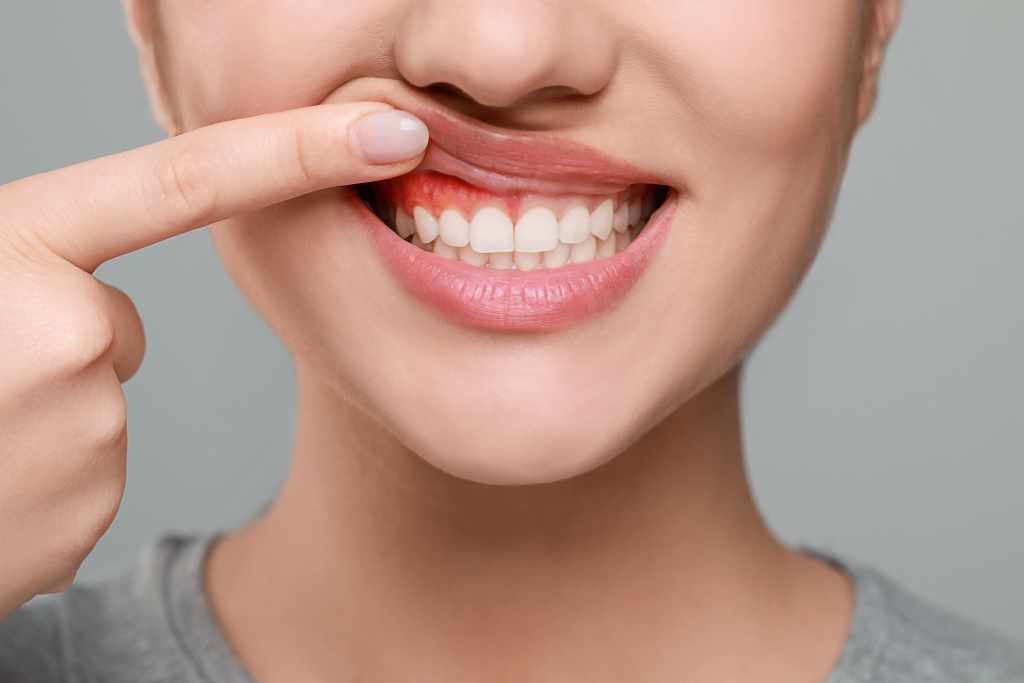
Gingivitis, the mildest form of gum disease, often goes unnoticed. However, when it isn’t addressed, it can lead to serious oral health problems, including periodontitis and tooth loss. Fortunately, gum disease treatment, including early intervention for gingivitis, is both preventable and reversible with the right care. Understanding its causes, symptoms, and prevention methods is crucial for maintaining long-term oral health.
What Causes Gingivitis?
Gingivitis begins when plaque, a sticky film of bacteria, builds up on the teeth and gums. Poor oral hygiene is the primary cause, but other contributing factors may include hormonal changes during pregnancy, puberty, or menopause, certain medications, smoking, diabetes, and even stress. Over time, plaque hardens into tartar, creating an environment where bacteria thrive, causing irritation and inflammation in the gums. This can lead to gingivitis recession if left untreated.
Recognizing the Symptoms
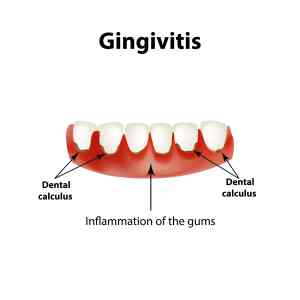
One of the most concerning aspects of gingivitis is that it often develops silently. Many people don’t realize they have it until symptoms worsen. Common signs of gingivitis include:
- Red, swollen, or tender gums: Healthy gums should be firm and pale pink. If your gums exhibit any changes in color or texture, a trip to our office in Manhattan is warranted.
- Bleeding gums when brushing or flossing is a key early warning sign. Although gums may occasionally bleed if you brush aggressively, if it happens repeatedly, it is most likely due to inflammation from gingivitis.
- Bad breath: Chronic bad breath or a bad taste in your mouth may indicate bacterial buildup.
- Receding gums: In some cases, gingivitis causes gums to pull away from the teeth, creating pockets at the base of the teeth where bacteria can accumulate. If this happens, it’s essential to repair receding gums early to prevent further damage.
Why Treating Gingivitis Early Matters
If left untreated, gingivitis can progress to periodontitis, a more severe form of gum disease that damages the soft tissue and bone supporting your teeth. While gingivitis primarily affects the gums, periodontitis can lead to more serious complications, including tooth loss and other health issues. This is why early treatment of gingivitis is so important.
Early treatment of gingivitis is simpler and less expensive than treating periodontitis. Professional dental cleanings, dedicated brushing and flossing, and antimicrobial rinses can prevent gingivitis from developing and keep your mouth fresh and clean.
Preventing Gingivitis
Fortunately, you can prevent gingivitis with vigilant oral care and healthy habits, including:
- Brushing and flossing daily: Brush at least twice daily and floss once daily to remove plaque from hard-to-reach areas.
- Regular dental visits are crucial in the prevention and treatment of gingivitis. Our professional cleanings can remove tartar and plaque that you may miss with brushing alone, and our team can provide personalized advice and treatments to help you maintain your oral health in the NYC area.
- Maintaining a healthy diet: A balanced diet low in sugary foods and drinks supports overall oral health.
- Quitting smoking: Smoking weakens your immune system, making it difficult for your gums to heal.
Treat Gingivitis Early to Protect Your Health
Gingivitis may be mild, but it’s a critical early warning sign that shouldn’t be ignored. You can protect your gums, teeth, and overall health by understanding and taking proactive steps to prevent it. Regular dental visits and diligent home care are your best defenses against it. Don’t let gingivitis progress into something more serious. With a little effort, you can ensure your smile stays healthy and bright for years to come.
If you suspect you have gingivitis or notice signs of gingivitis recession, now is the time to make an appointment with The Denture Center for a dental cleaning to remove any plaque buildup. Protecting your teeth and oral health is a great way to start the year right!
$199 New Patient Special (A $591 Value)
We want to help you take the best care of your dental health.New Patient Package
$189 which brings you high-quality preventative dental care at an affordable fee in NYC. (A $591 Value) This offer includes:- Full Mouth Series of Digital X-Rays
- Examination of your teeth and Gums
- Oral Cancer Screening
- Cleaning (dental prophylaxis)
- Personalized Treatment Plan
Loose, Uncomfortable Dentures? Get a Same-Day Reline While-U-Wait!
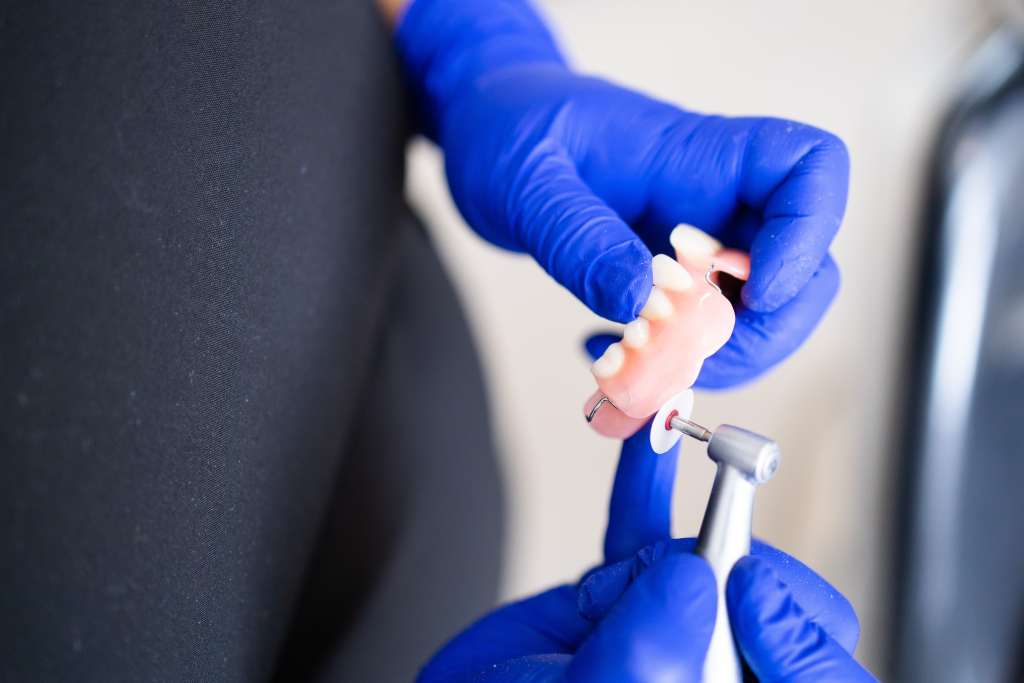
Millions of people wear dentures daily to restore their ability to smile and eat comfortably. Unfortunately, many suffer needlessly from uncomfortable or loose dentures because they neglect proper denture upkeep. At The Denture Center, our in-house dental laboratory can provide a same-day denture reline, offering immediate relief and comfort to those in need.
What Problems Can a Dental Reline Fix?
- Loose, shifting dentures
- Pain or rubbing on the gums
- Difficulty speaking with dentures
- Dentures that are wearing out but do not yet need to be replaced
What is a Denture Reline?
Denture relines alter the shape of a denture or build up the interior with additional material to improve the fit and make it more comfortable. A soft reline uses a soft polymer layer to add a gel-like cushioning inside the arch of the denture where it sits on the gums. It can be helpful for individuals who are new denture wearers or experiencing bone resorption. A hard reline is made of harder plastic material to reshape dentures for a better fit.
A hard reline is ideal when dentures are otherwise in good condition however, the gums may have shrunken or changed shape, resulting in loose dentures. A soft reline may be a better option if the gums are very thin or irritated. Often a full lower denture is only comfortable with a soft reline. Our denture experts can determine if you need to reline your dentures and which type of reline each denture would need.
While some dental practices have to send dentures to an outside laboratory for relines, adding many days or up to a week to process, The Denture Center has its own on-site denture laboratory and a team of experienced denture experts. We have been New York’s place for quality Same Day Dentures as well as Denture repairs and relines While-U-Wait since 1977. Because your gums are dynamic and change shape, it is advisable to have your dentures relined every two years to ensure a comfortable, functional fit and prolong the life of your dentures. If you have had multiple extractions or have recently lost multiple teeth, shrinkage within the first year after that immediate denture will be substantial but will stabilize therefore, a reline check in one year rather than two is needed.
If your dentures are causing discomfort, shifting noticeably, or interfering with eating or speaking, it may be time for a denture reline. Don’t wait any longer to enjoy a comfortable, properly fitted set of dentures. Call our office at The Denture Center Phone Number 212-256-9978 to schedule a convenient, same-day reline While-U-Wait and begin the New Year with a beautiful, comfortable smile!

$194
One Denture Reline Special
With This Ad Only
One Per Patient
First Visit Only
Expires 7/17/2026
Some restrictions may apply.
Learn about the denture relines we offer!
Why You Should Replace Both Upper and Lower Dentures at the Same Time
Replacing Dentures In NYC
First Published: 15 October 2025
Last Updated: 17 September 2026
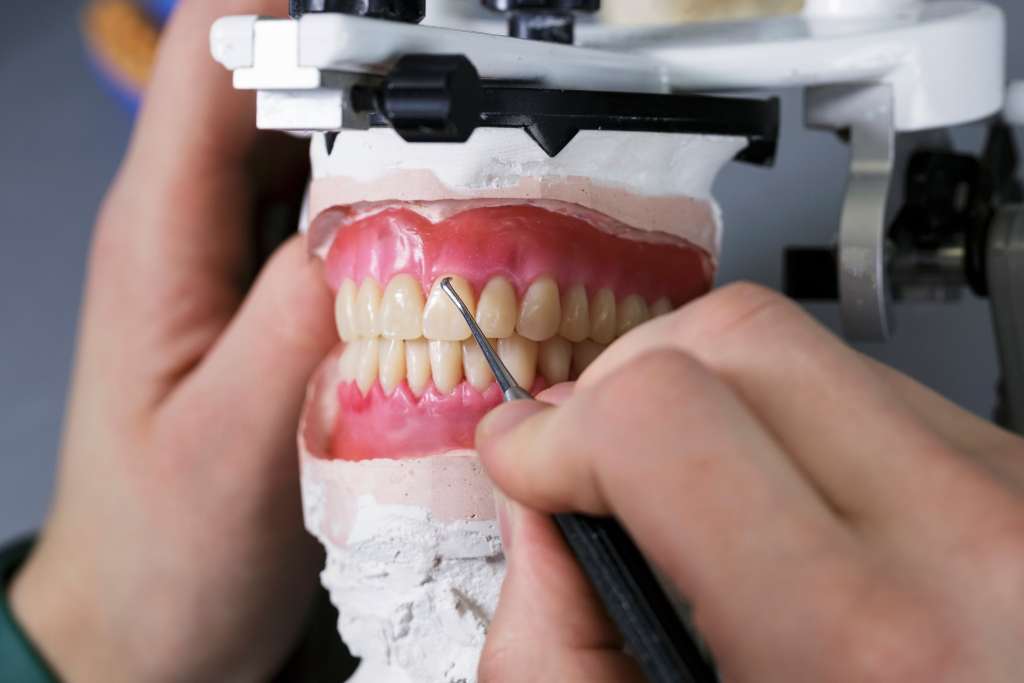
Many people may not realize that when it comes to dentures, replacing both upper and lower sets simultaneously is often the best option. While it may seem more convenient to replace them one at a time, there are several compelling reasons to consider making the change all at once.
Better Functionality for Chewing
Most people have worn their upper and lower dentures together for years, which can lead to significant wear, especially on the back teeth. Over time, these teeth can become flat and less effective at chewing. By replacing both sets of dentures at the same time, patients benefit from new teeth designed to occlude with one another correctly. This alignment enhances chewing efficiency, making it easier to enjoy a wider variety of foods.
Accurate Fit and Alignment
When both dentures are fabricated together, dental professionals can ensure the vertical dimension—the space between the upper and lower jaws—is accurate. This accuracy is crucial for maintaining proper jaw alignment, which can prevent discomfort and joint issues down the line. It’s an essential factor in creating a comfortable and functional bite.
Consistent and Natural Appearance
Another significant advantage of replacing both dentures simultaneously is the ability to achieve a consistent appearance. When new upper and lower dentures are made together, they can be matched in color and design, ensuring a natural and harmonious look. This attention to detail boosts patient confidence and satisfaction with their new smiles.
Avoiding Compromise in Functionality
When patients opt to replace only one denture, they risk compromising the functionality of their bite. For example, if a patient chooses to replace only their lower denture, the lab may have to adjust the new lower teeth to fit with the worn upper denture. Replacing only one denture might mean losing important anatomical features of the new teeth. This can lead to a situation where they are essentially paying for new dentures but ending up with a bite and occlusion that mimics the worn-down older set.
Long-Term Savings
Choosing to replace only one denture instead of both at the same time can lead to higher costs in the long run. While it may seem like a more budget-friendly option initially, replacing just one denture often requires adjustments to ensure it aligns properly with the existing, worn counterpart.
Furthermore, mismatched dentures can affect your smile’s appearance and functionality, potentially leading to premature replacements or more adjustments down the line. By investing in both upper and lower dentures simultaneously, you not only enhance your overall dental health but also save money and avoid complications in the future.
When Is Replacing Just One of your Dentures Okay?
Sometimes, it makes sense to replace just one denture.
For example:
- If your dentures is less than 4-5 years old
- If one is lost
- Or, if it’s broken beyond repair
On those occasions, it might be appropriate to replace just that one arch.
Let’s Talk About Options
At The Denture Center in Midtown Manhattan NYC, we offer free consultations to help you determine the best approach. We ask that you bring both of your dentures to the consultation, if you wear a complete set. This way, we can accurately replace the one that you wish to replace. The same is true whether you have partial dentures or full dentures or one of each.
Because we have our own on-site denture laboratory, we are able to provide you with a wax try-in before we complete your custom dentures. This allows you to avoid the long and uncomfortable 3-6 week wait that most other offices have for new teeth. Additionally, it gives you the amazing opportunity to see how your denture will look before the final fabrication. We have been New York City’s place for quality dentures, Same Day dentures, denture repairs and relines While-U-Wait for over 47 years.
Our experienced and knowledgeable team is ready to answer any questions you may have.
Ready To Replace Your Dentures?
Contact us today to schedule your consultation with our expert dentists!
Water Flossers: Pros and Cons
Weighing The Advantages & Disadvantages Of Water Flossing
First Published: 18 July 2024
Last Updated: 17 September 2026
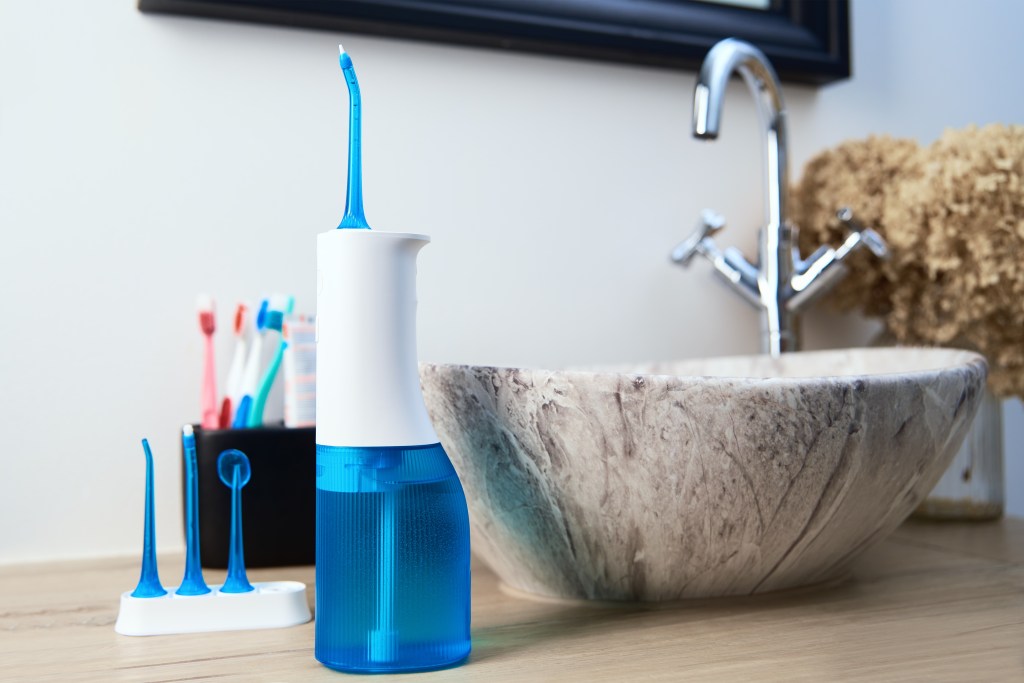
Water flossers, also known as water piks, have gained popularity recently as an alternative to traditional dental floss. Water flossers use a stream of pulsating water to remove food particles and plaque between teeth and along the gumline. While they offer several benefits, there are also some drawbacks to consider. If you’ve been considering adding a water flosser to your daily dental hygiene routine, considering the pros and cons can help you decide.
Advantages of Using a Water Flosser
Ease of Use
Water flossers are often easier to use than traditional floss, especially for individuals with braces, bridges, or other dental work. The water stream effortlessly navigates around dental hardware. Traditional flossing requires proper technique to be effective. Water flossers are more forgiving, making them a good choice for those who struggle with the correct method or have limited hand coordination.
Effective Cleaning
Studies have proven the effectiveness of water flossers in removing plaque. The pulsating water stream aids in dislodging food particles and plaque from areas that traditional floss might miss. This not only ensures a thorough cleaning but also gently massages the gums, stimulating blood circulation. This can lead to a reduction in bleeding and inflammation.
Comfort
If you have sensitive gums, water flossers can be less abrasive than traditional floss, reducing the risk of gum irritation and bleeding. Using a water flosser is generally painless, unlike conventional dental floss, which can cut into delicate gum tissue if not used properly. Many people enjoy the gentle, massaging action of water flossers.
Convenience
Using traditional dental floss takes time and can be frustrating. Water flossing is quicker and easier than traditional flossing, making it a convenient option for busy people. People who use water flossers are less likely to skip flossing because it’s so easy and less time-consuming.
Disadvantages of Using a Water Flosser
Cost
Water flossers are more expensive than a pack of dental floss. The initial cost of purchasing a high-quality water flosser may be anywhere from $50 to over $200, depending on the style of flosser and power source. You will also need to periodically replace the flosser’s tips and replace it periodically.
Portability
Tossing a spool of dental floss in your overnight bag is easier than packing a water flosser. Depending on the type of water flosser, you may have to include batteries or ensure you have a power source. Conventional dental floss is simpler to use when traveling, especially if you are camping or traveling overseas.
Messiness
Using a water flosser can be messy, especially when learning to use it. Water tends to splash around, which can be inconvenient and require clean-up after use. It might take some time to get used to controlling the water stream to minimize splashing and ensure thorough cleaning.
Not a Complete Substitute
Water flossers are effective but are only a partial substitute for traditional flossing. Some dentists recommend using both methods for optimal oral hygiene.
Is a Water Flosser Right for You?
Water flossers offer several advantages, particularly in terms of ease of use, comfort, and effectiveness in improving gum health. However, it’s important to note that they come with drawbacks such as cost, bulkiness, and potential messiness. Choosing between a water flosser and traditional floss—or a combination of both—depends on personal preference, dental needs, and lifestyle considerations. We suggest comparing several types of water flossers and reading reviews from reputable sources to narrow down your choices. If you still have questions, our dentists are always available to answer them and help you make the best choice for your needs.
Are You Serious About Your Dental Hygiene?
Even with a disciplined home hygiene routine, a professional dental cleaning & exam are essential for your health. Schedule your next dental appointment today!